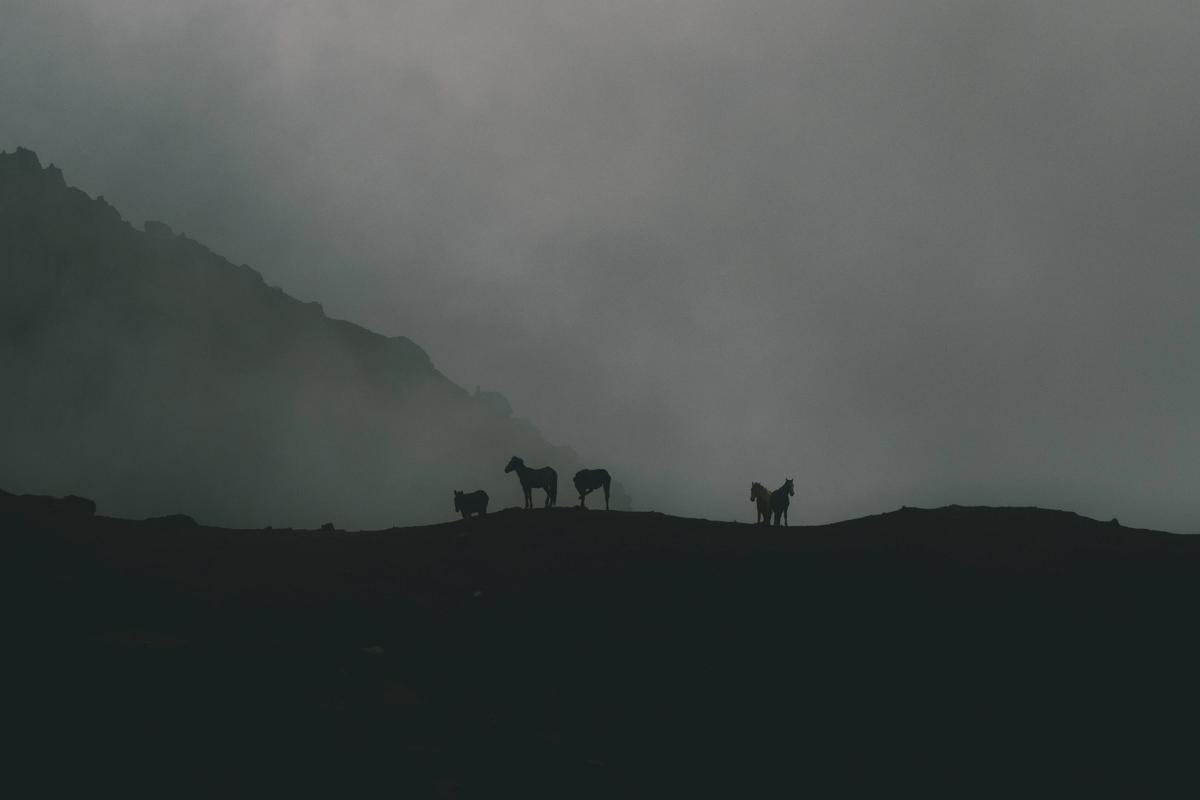
People frequently ask me about the “best” time to visit the Andes mountains in Peru as if there is a single correct answer.
In reality, it isn’t that straightforward, especially for photographers. In my experience, no matter when you visit, the Andes offer compelling photographic opportunities. Each season brings its conditions, atmosphere, and visual character, along with distinct stories waiting to be told if you are willing to work for them.
Peru’s year is broadly divided into three seasons: the dry season, the shoulder season, and the rainy season.
The Dry Season: Clarity and Contrast
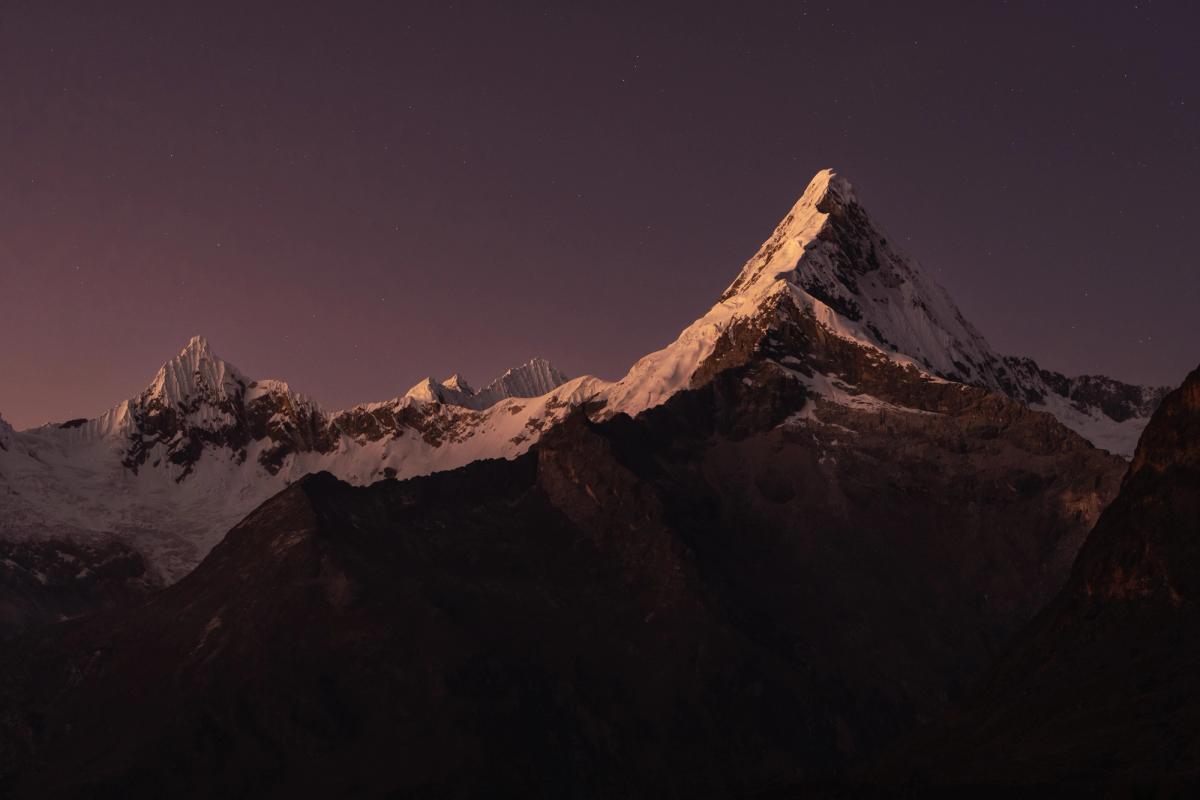
The end of May through August is known for being the driest time of year, and these months mark the peak of the high season in Peru's Andes mountain ranges. If your primary goal is to maximize clear skies, whether for astrophotography or for photographing 6,000-meter mountains in places like the Cordillera Huayhuash, these months offer the most stable weather and the best chance to capture those types of compositions.
You can expect dry trail conditions, clear skies, and visibility that stretches miles. For photography, this means you will have the opportunity to capture dramatic compositions: stark lines from broad mountain ridges and summits, long shadows, and separation between land and sky that all come together to create epic photographs. Sunset and sunrise are consistently around 6am and 6pm, respectively, year-round. That means that if you want to capture the best morning light before the sun hits the white, glaciated mountains, you're going to have to sacrifice some sleep—but trust me—it's worth it.
However, the major disadvantage of visiting Peru during the high season is that there are significantly more tourists that you have to share space with. It's not enough of a reason to avoid the high season altogether, but you should be aware of the fact that it will affect your overall experience with the environment. I find that when I'm alone on the trail or with few other people, I'm more in touch with the scenery around me, allowing for uninterrupted creativity. This is why several of our itineraries at AAV operate in the shoulder seasons, like the Ancascocha Expedition.
Shoulder Seasons: When the Andes Pop
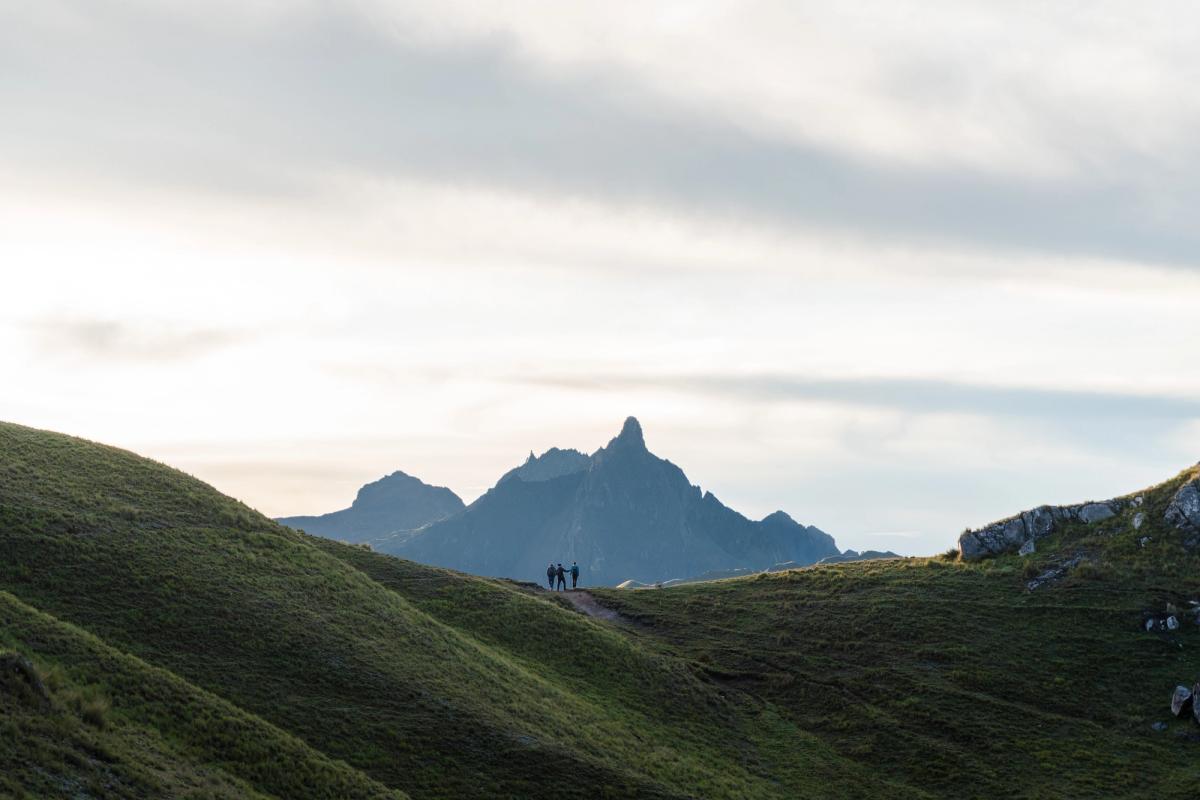
The end of March through April and September to December are the months many locals, like myself, prefer. The crowds thin, the air temperature is slightly warmer, and the landscapes feel more multidimensional.
Late March through April carries the last remnants of the rainy season. Valleys are lush green, streams and waterfalls are full, and the clouds create dynamic scenes. The weather and light are less stable, but when the clouds dissipate, otherworldly landscapes are revealed. I've experienced many rainy nights that slowly faded, and as the morning drew near, the skies cleared in time to capture a sublime scene. So just because it's raining when you go to bed, don't throw in the towel—set your alarm because it's likely that the rain will pass and you will be rewarded with clear morning skies.
September to December offers a similar balance in reverse. Dry season stability lingers, but moisture begins to return, adding texture to the air and warmth to the colors. The hillsides only need a few weeks of increased precipitation before they return from a brownish-yellow state to captivating light greens that make you feel like you're in a botanical garden.
For photographers and hikers alike, the shoulder seasons reward flexibility and determination. They demand a willingness to keep an open mind and often give more in return.
The Rainy Season: No Guarantees, Creative Potential
From December to early March, the Andes are much quieter.
Trails empty. Mountains disappear and reappear on their schedule. Many days never fully open. It’s not a season for rigid itineraries. But it is a vibrant season where waterfalls surge, spongy moss flourishes in the Queuña forests, and you can find new compositions in popular locations.
For those comfortable working within uncertainty, the rainy season offers a more intimate experience with Pachamama (mother nature).
There is no universally “best” time to trek the Andes. There is only a time that aligns with what you value most.